Now on view
the Morris Museum
January 29 - May 15, 2026 Morristown, New Jersey
The allure of science, with its promise of intrinsic value and incontestable benefit, captures our imagination such that we can be looking at a historical scientific instrument and admire its beauty without even knowing what it does. Within this framework, a scientific object suggests a use while it also enchants us. Sometimes it is the vague suggestion of utility that is most stimulating to the eye, more so than an actual knowledge of its purpose or scientific relevance. Our unfamiliarity with old scientific objects invites us to daydream about their meaning and entices us to admire them purely for aesthetic pleasure.
Artists Doug Bosch and Richard Whitten are both inspired by the look and function of antique scientific instruments and together they have conceived of the Galileo Project to bring the stuff of dry science textbooks to life. Colleagues and longtime admirers of one another’s work, the artists are making two distinct, yet integrated groups of work that refer to objects in the permanent collection of Museo Galileo, Florence, Italy. This museum houses a collection that has been dedicated to the History of Science for the last four hundred years. Both artists have a long history of independently using early science to inform the aesthetic and underpinnings of their artworks. Here, with the Galileo Project, they join forces to produce a coordinated body of work that examines how a painter and a sculptor meet the artistry of science head-on, treating audiences to a rare delight.
Project statement by the artists
Museum Statement
The human urge to measure, define, and understand the world around us drives creativity. Artists Doug Bosch and Richard Whitten identified six inventions from the collections held at Florence’s Museo Galileo and designed their own imagined, yet plausible, contemporary versions of the originals. Their work, begun during Covid and completed last year, responds to the scientific instruments collected by generations of influential patrons between 1434 and 1859. For example, antique devices that track the stars, measure air humidity, and detect electrical current become a series of manuscript-like paintings by Whitten and patent model-like sculptures by Bosch. Their creations invite us to engage our imagination around the intersection of science and design, and the ambiguous space between technology and artmaking.
Thomas Loughman, Phd, President and CEO of the Morris Museum, Morristown, NJ
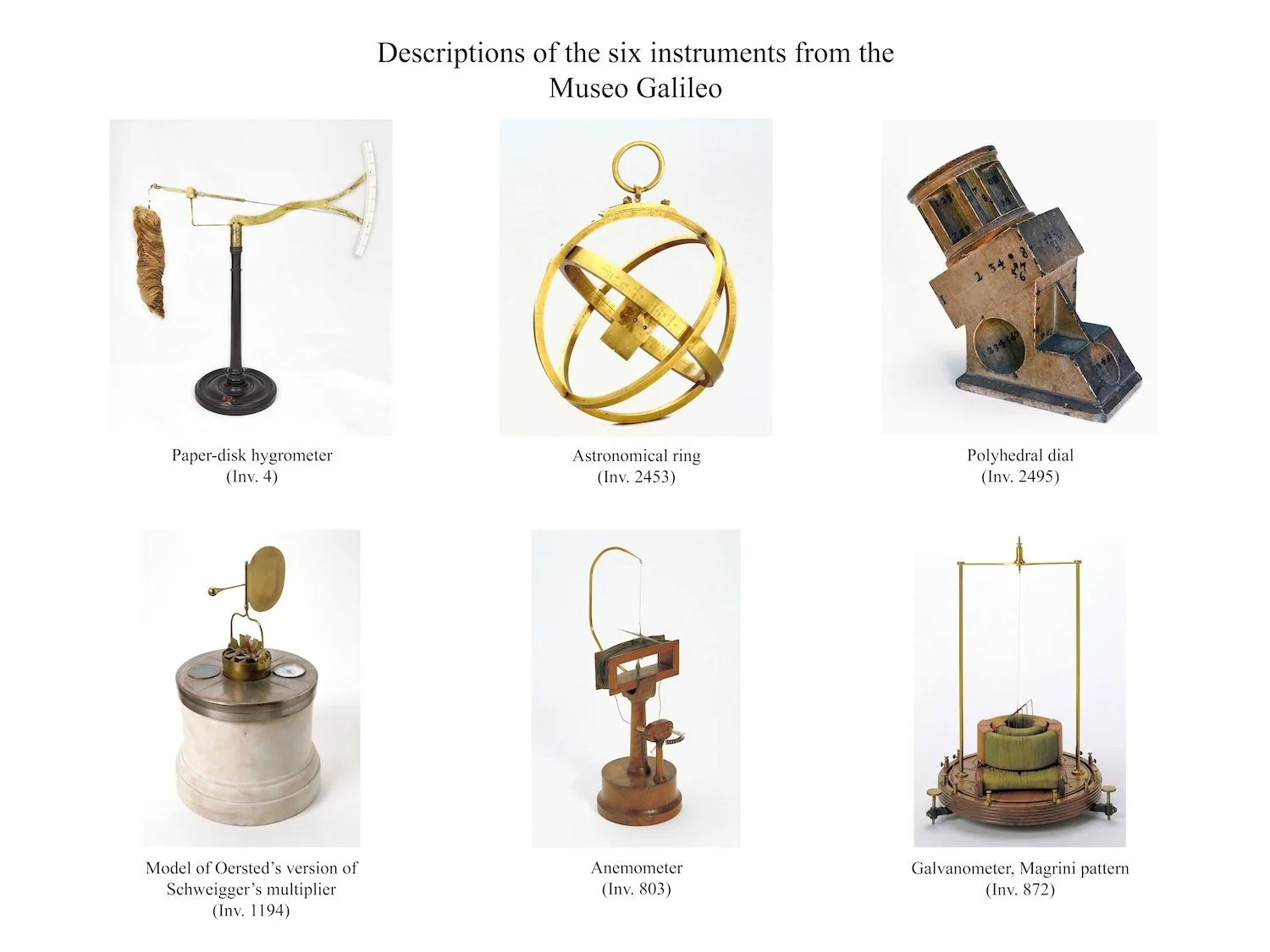
ABOVE: These six scientific objects reside in the permanent collection of the Museo Galileo, Florence, Italy. Some of these objects were acquired by the Medici family for the museum’s collection more than 400 years ago. Examining these objects launched the Galileo Project for Bosch & Whitten. After careful and playful study, these six objects would serve as genesis for the fanciful concept sketches below.
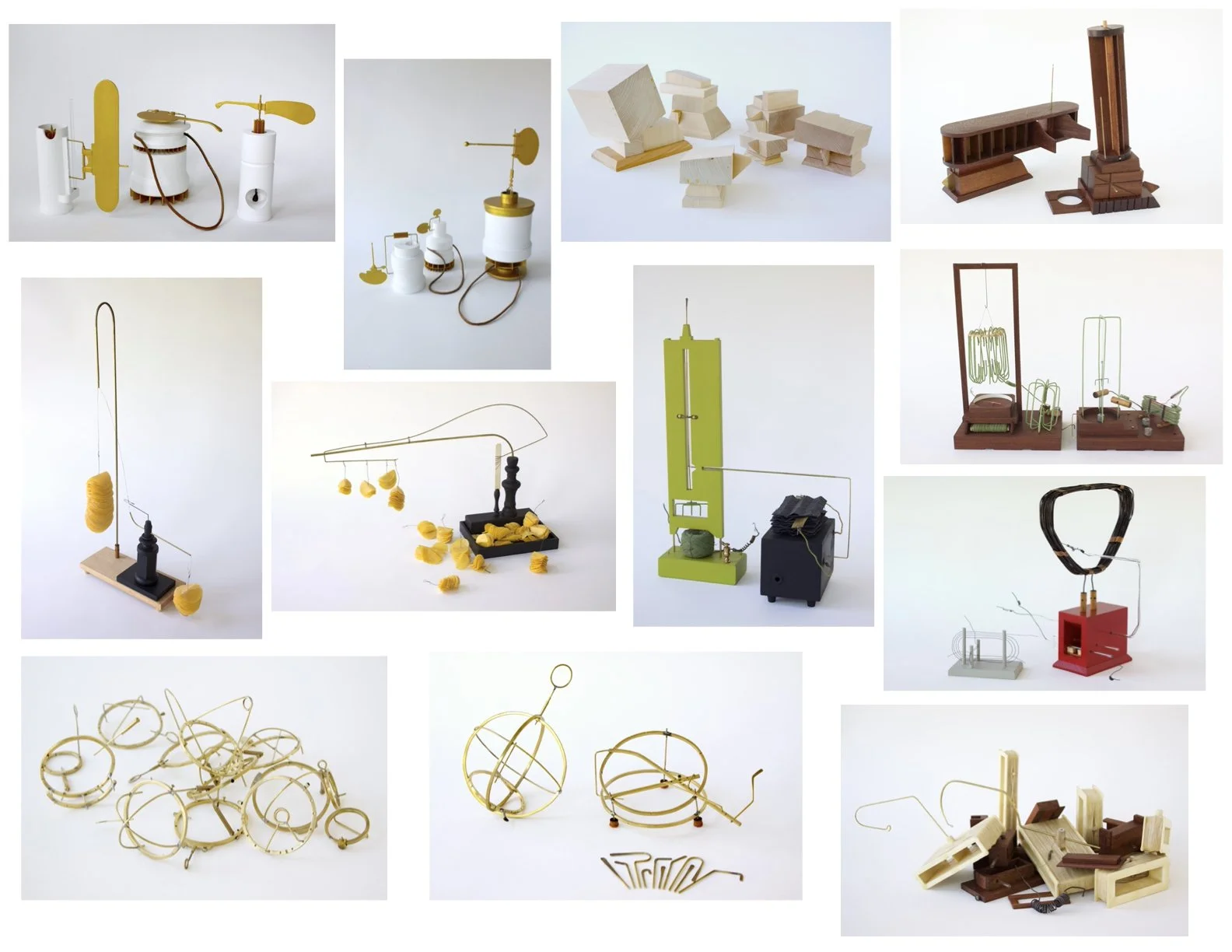
ABOVE: A compilation of the twelve sculptures by Doug Bosch.
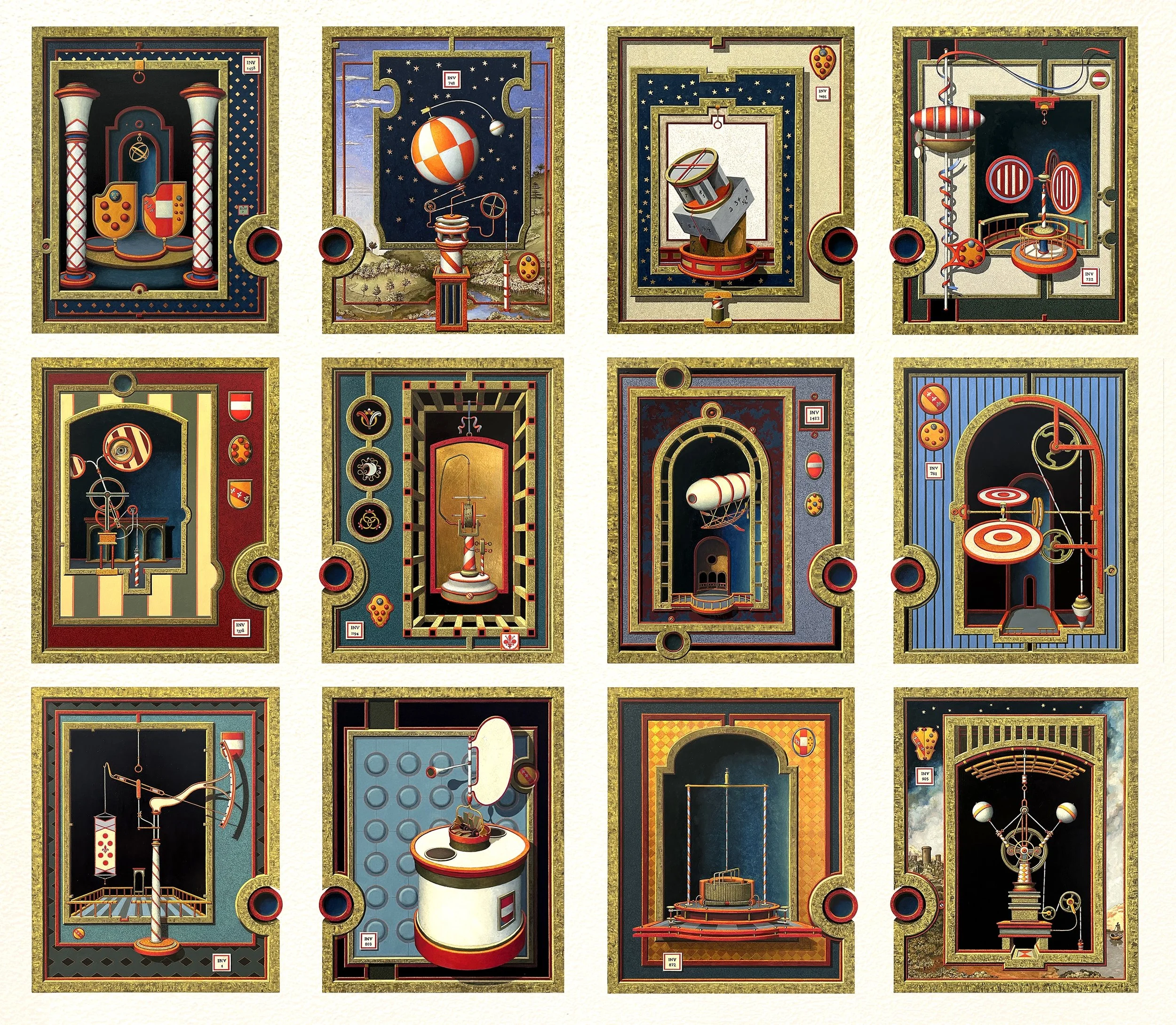
ABOVE: A compilation of the twelve paintings by Richard Whitten.
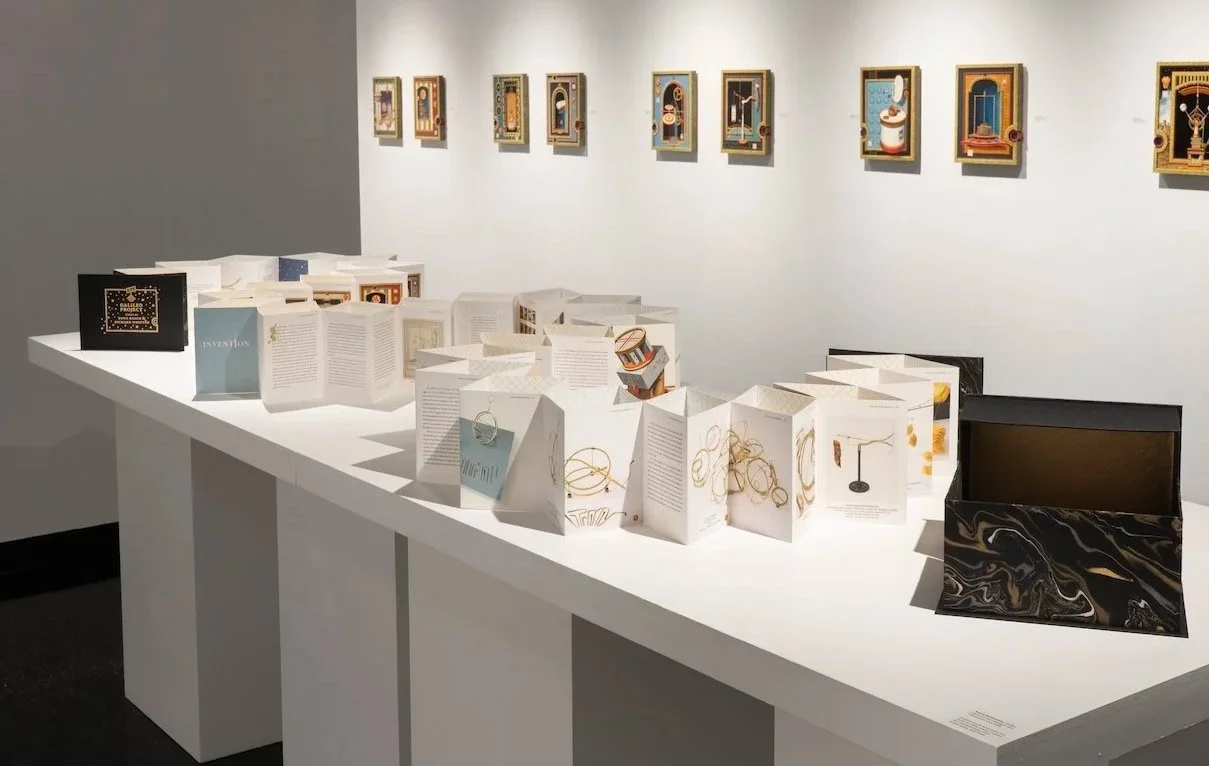
ABOVE: Handmade book with accordion folds, by Nancy Bockbrader, combining the artworks, essays and scientific instruments.
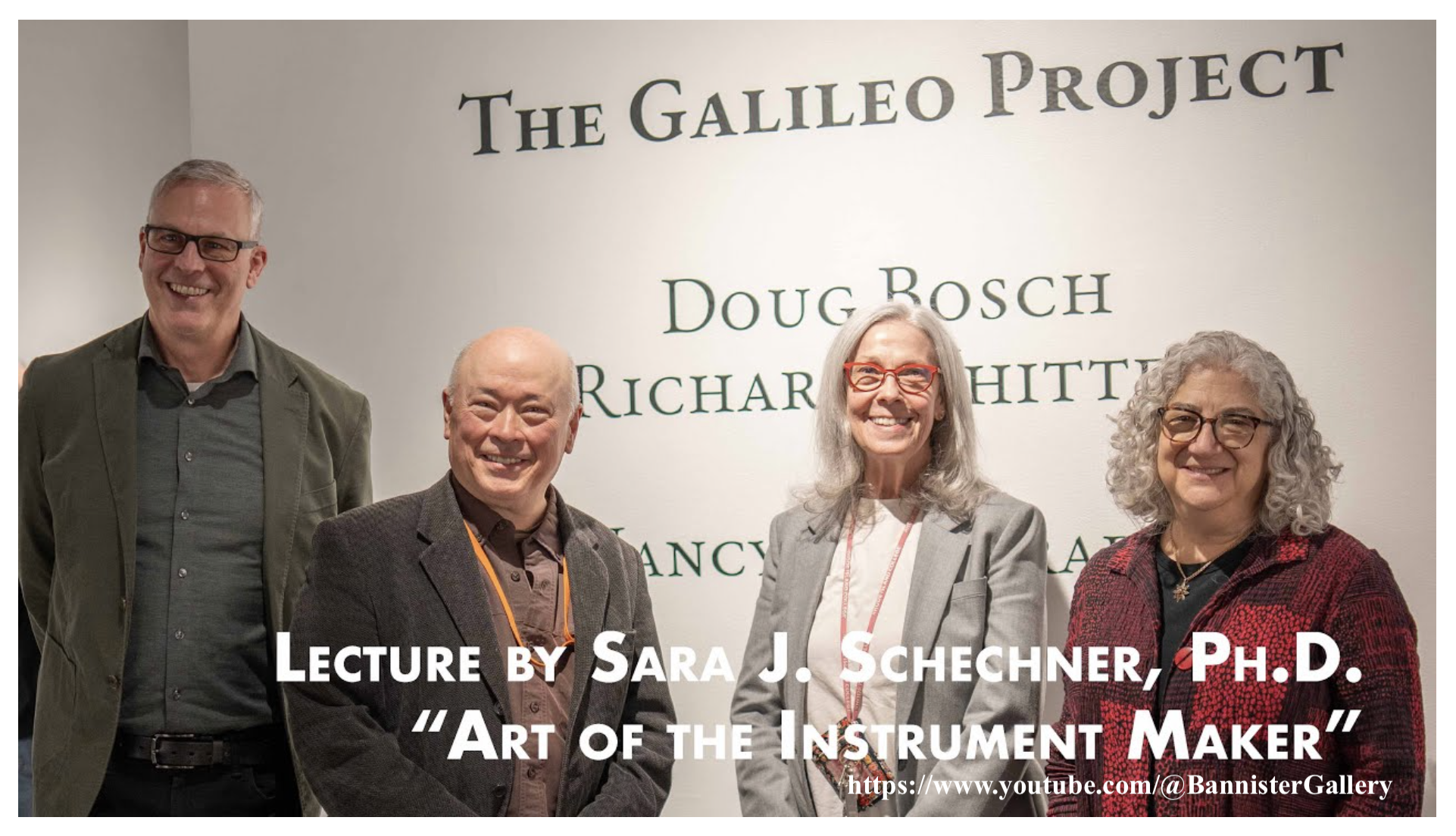
Click on the picture above for "Art of the Instrument Maker" - a lecture for the Galileo Project by Sara J. Schechner, Ph.d, the David P. Wheatland Curator Emerita of the Collection of Historical Scientific Instruments at Harvard University
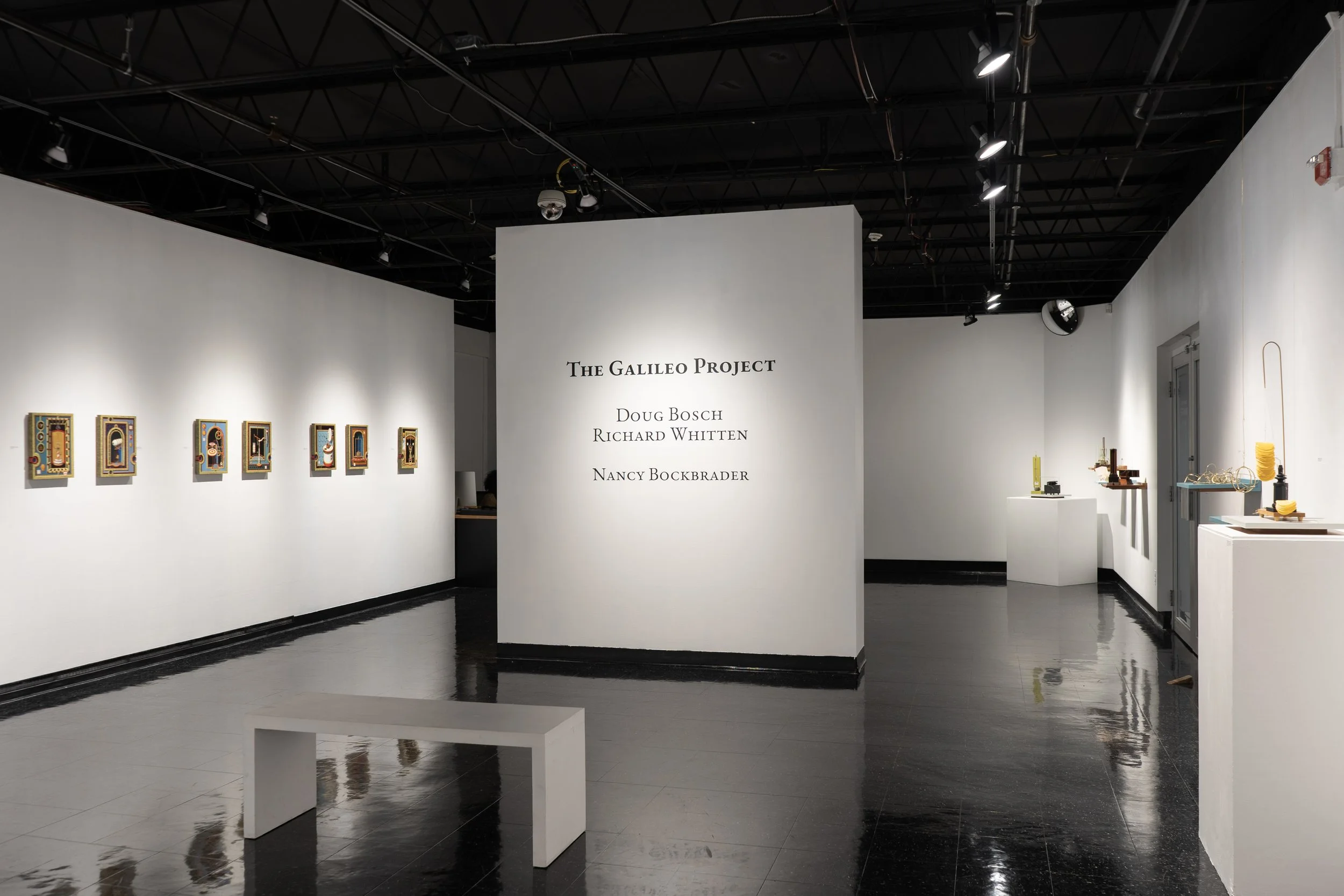
ABOVE: Installation view of the inaugural exhibition at Bannister Gallery, Rhode Island College, November, 2025
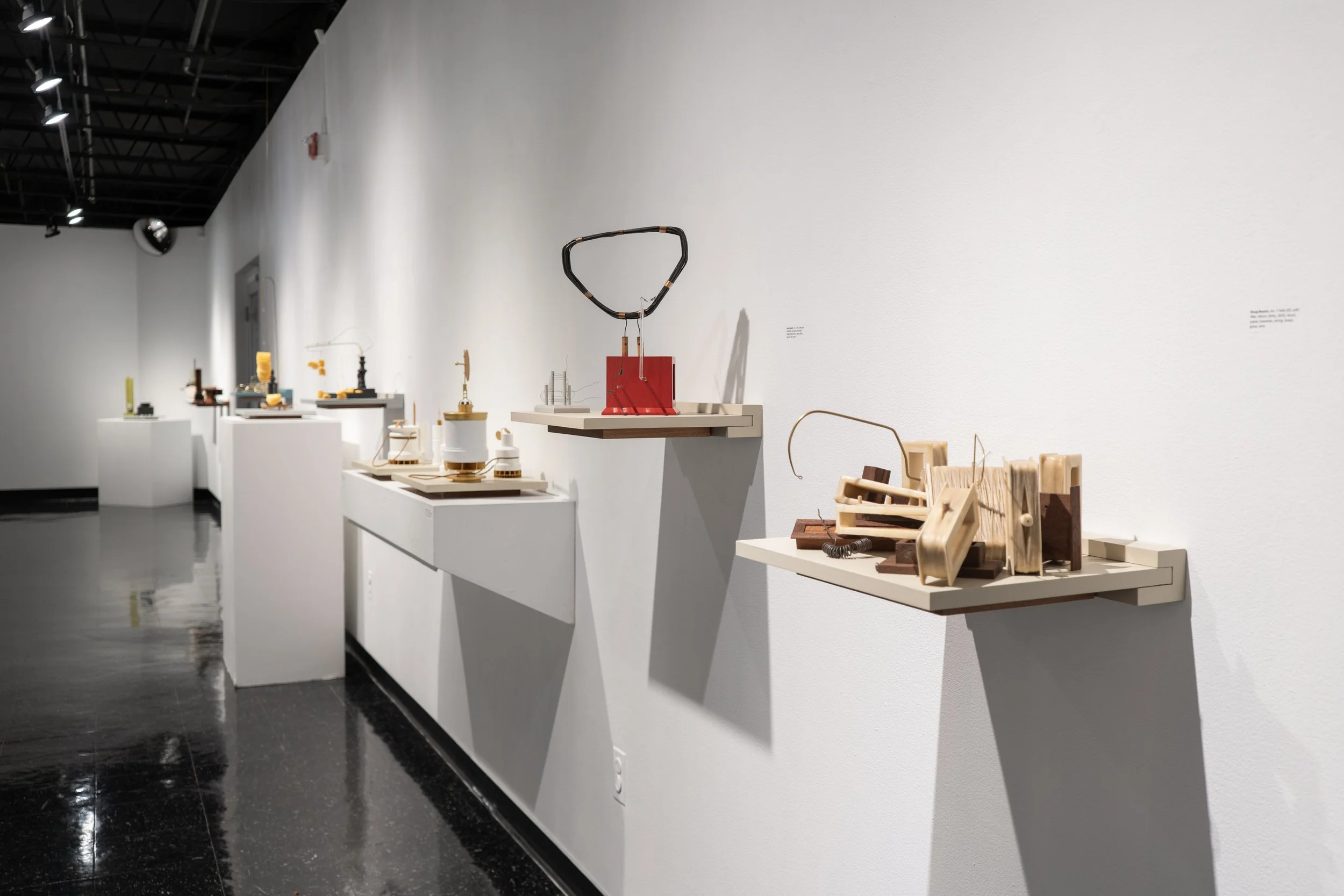
ABOVE: Installation view of the inaugural exhibition at Bannister Gallery, Rhode Island College, November, 2025
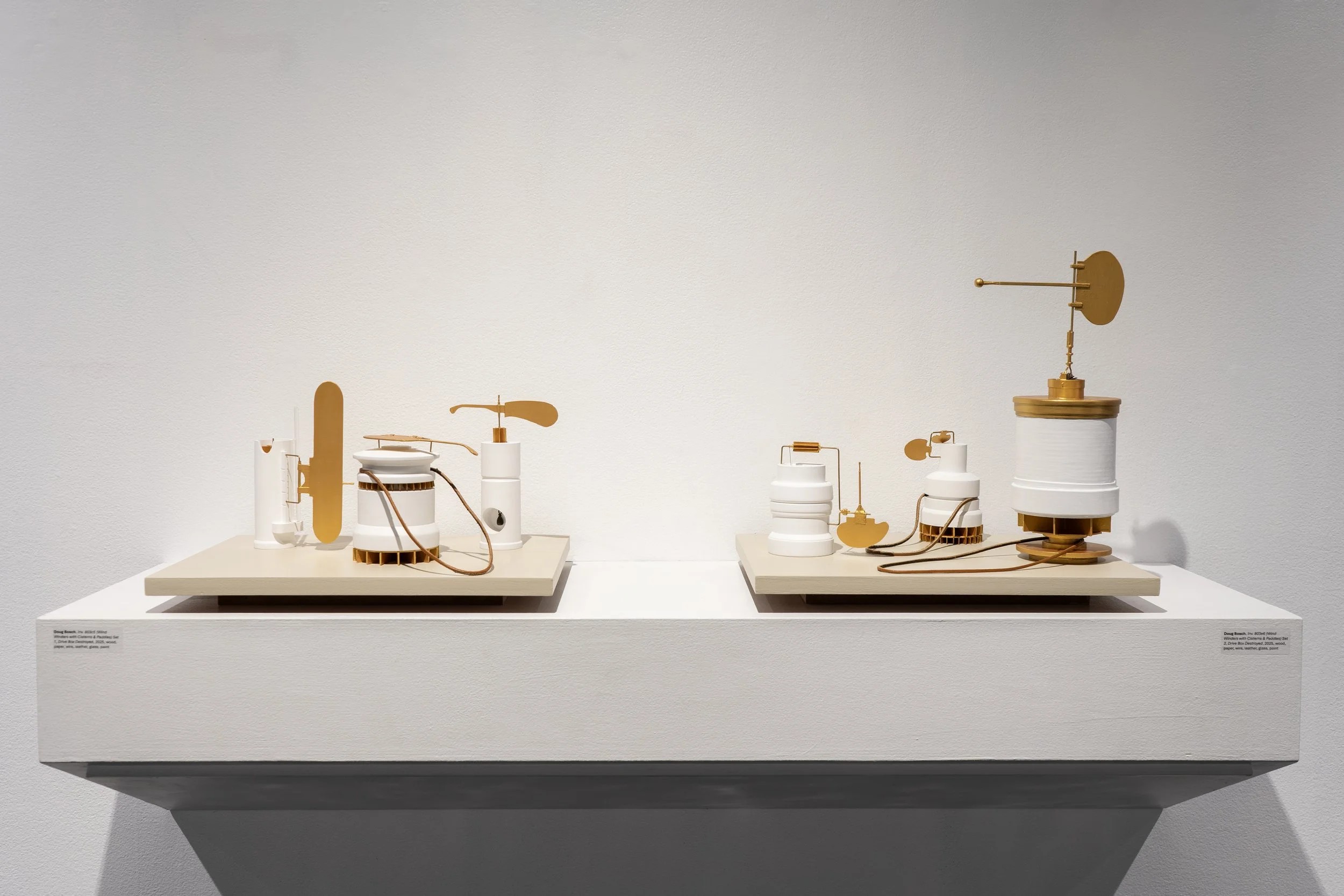
ABOVE: Installation view of the inaugural exhibition at Bannister Gallery, Rhode Island College, November, 2025
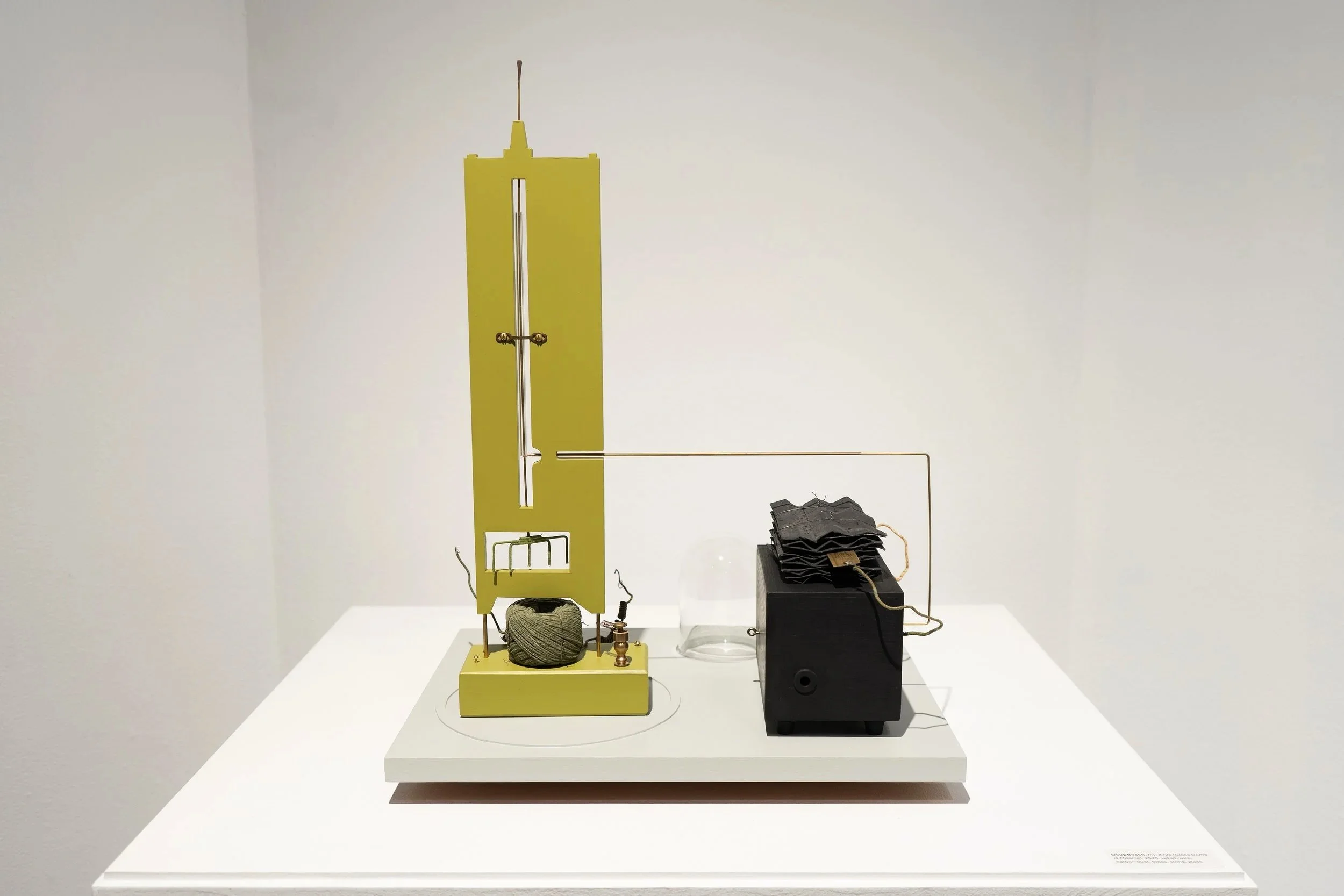
ABOVE: Installation view of the inaugural exhibition at Bannister Gallery, Rhode Island College, November, 2025
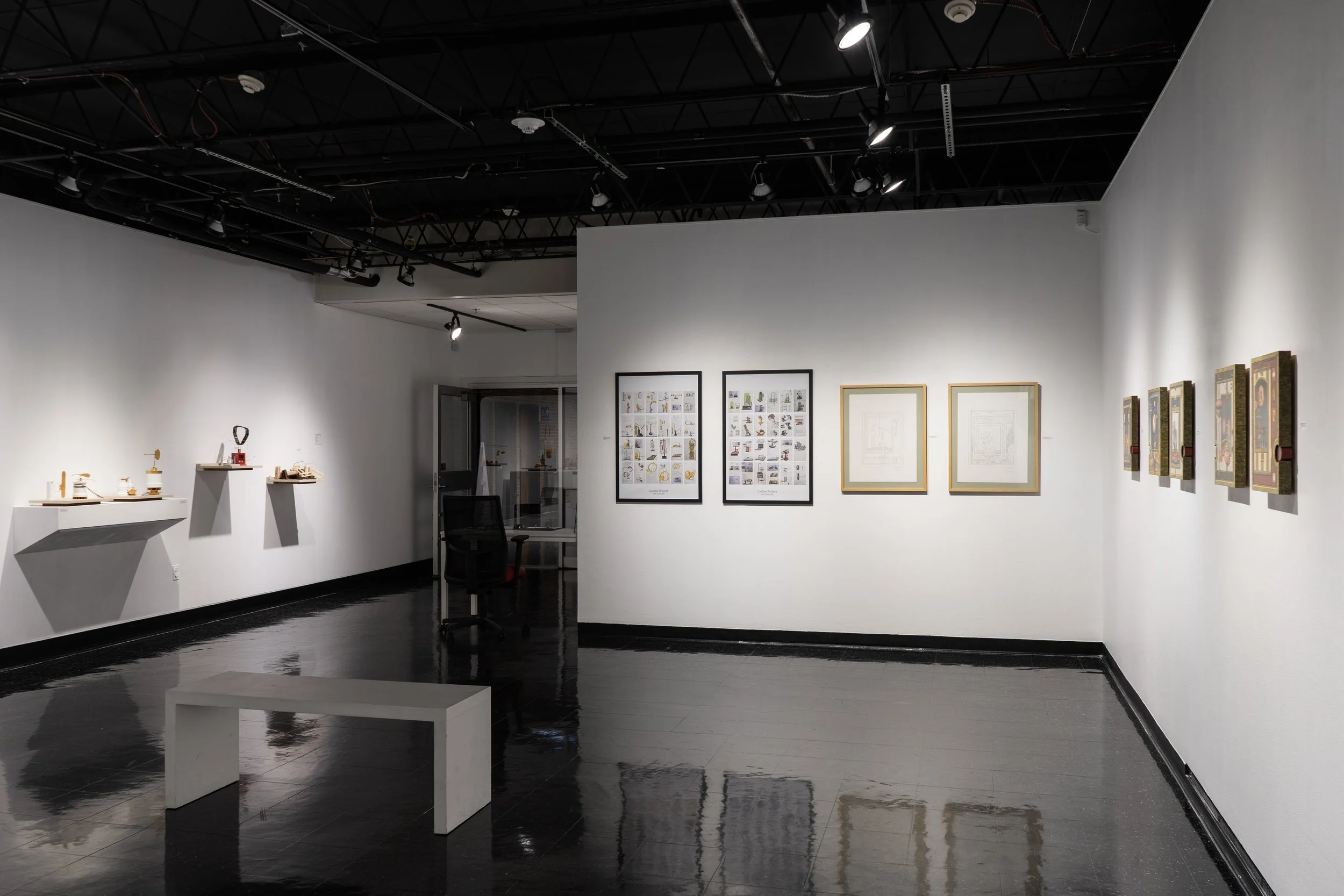
ABOVE: Installation view of the inaugural exhibition at Bannister Gallery, Rhode Island College, November, 2025
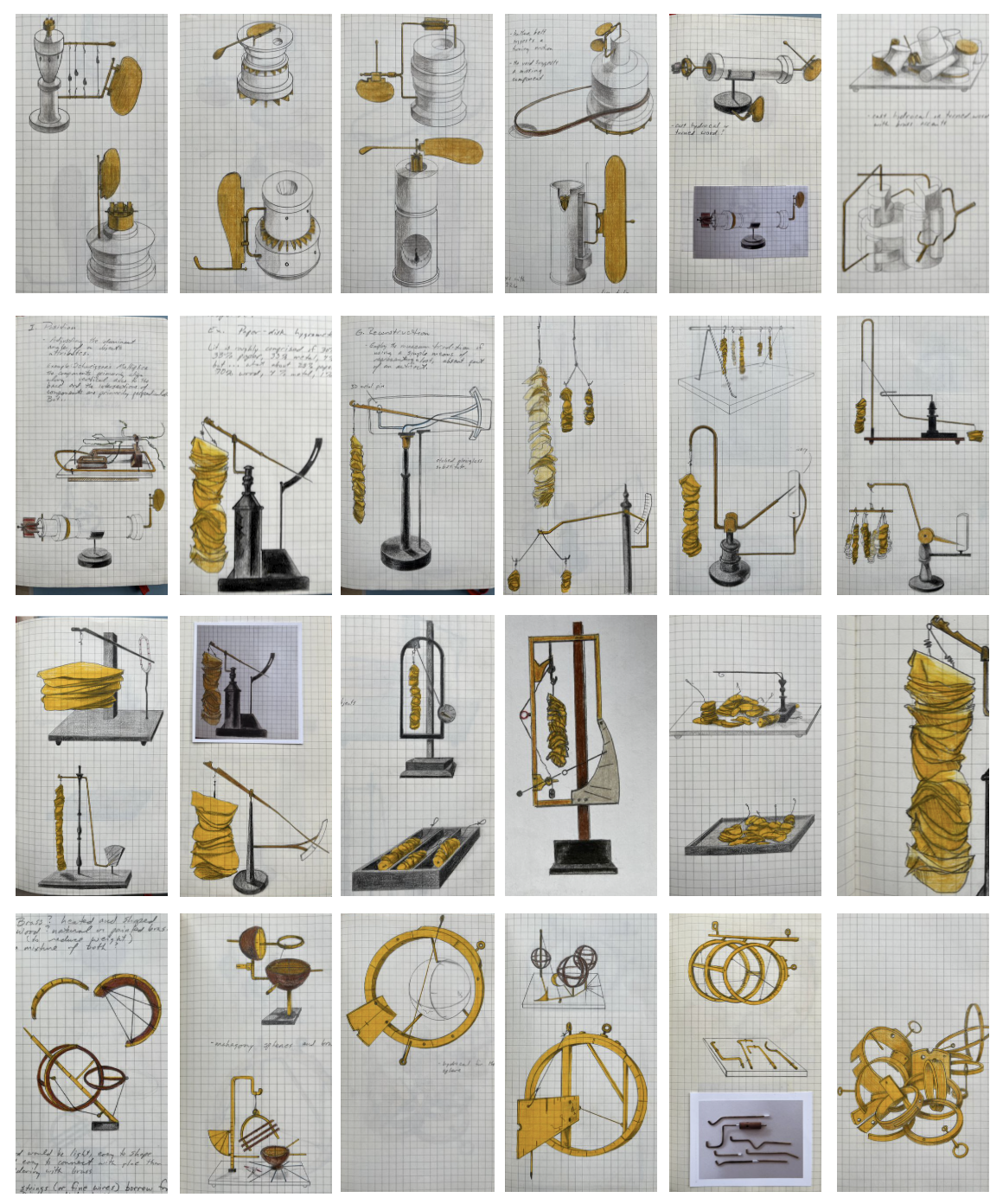
ABOVE: These concept sketches by Bosch were developed over a period of two years while he studied the original Astronomical Ring, Hygrometer and Anemometer references in search of achieving a balance between artistry and scientific relatability.
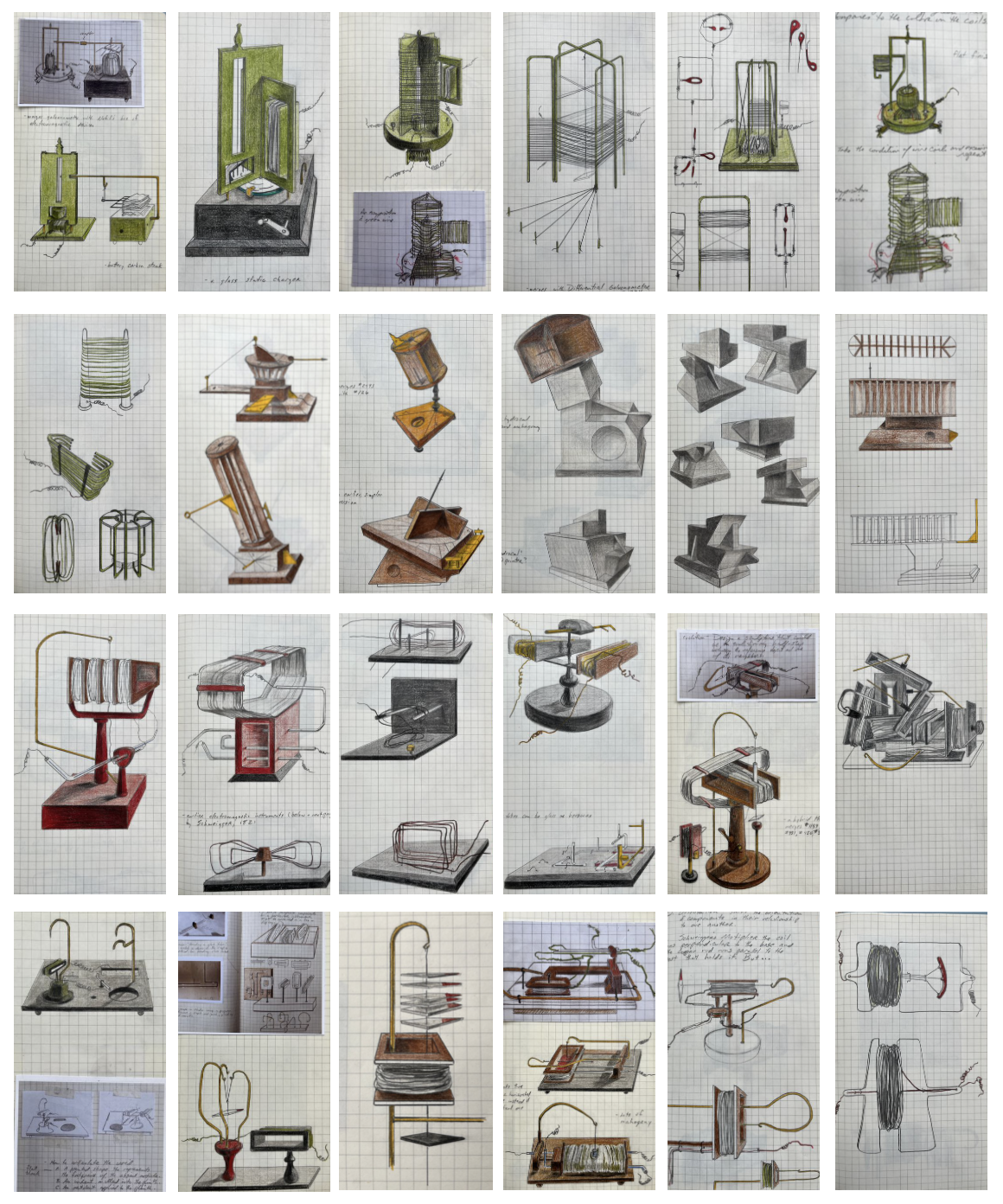
ABOVE: These concept sketches were developed over a period of two years as Bosch studied the original two Galvanometers and Sundial references in search of achieving a balance between artistry and scientific relatability.
Click the image above to view the full digital exhibition catalog